Healthy Sleep Associations
sleepyheads / Oct 29, 2025
As parents, we often hear the phrase “sleep association” tossed around in baby sleep discourse. But what does it really mean—and how can it help your little one sleep better?
Let’s break it down.
What Are Sleep Associations?
Sleep associations are the conditions or cues your baby links with falling asleep. These can be anything from rocking, feeding, or being held, to hearing a lullaby or cuddling a soft toy. Some associations are helpful and sustainable—others, not so much.
A ‘healthy sleep association’ is one that your baby can rely on independently. Think of it as a sleep-friendly habit that doesn’t require your constant presence. Examples include:
– A consistent bedtime routine (bath, story, cuddle)
– A comfort object like a breathable lovey (introduced safely after 6 months)
– White noise or a calming sleep environment
– Falling asleep in their cot rather than on the breast or in your arms
Why Do Healthy Sleep Associations Matter?
Babies wake up several times a night—just like adults. The difference? Adults know how to roll over and fall back asleep. Babies, especially those under 12 months, often need help transitioning between sleep cycles. If they’ve learned to fall asleep with a parent’s help (rocking, feeding, etc.), they’ll expect that same help every time they wake.
Healthy sleep associations empower your baby to self-settle. That means fewer night wakings, longer stretches of sleep, and a more rested household. It’s not just about convenience—it’s about building your baby’s confidence and emotional regulation through sleep.
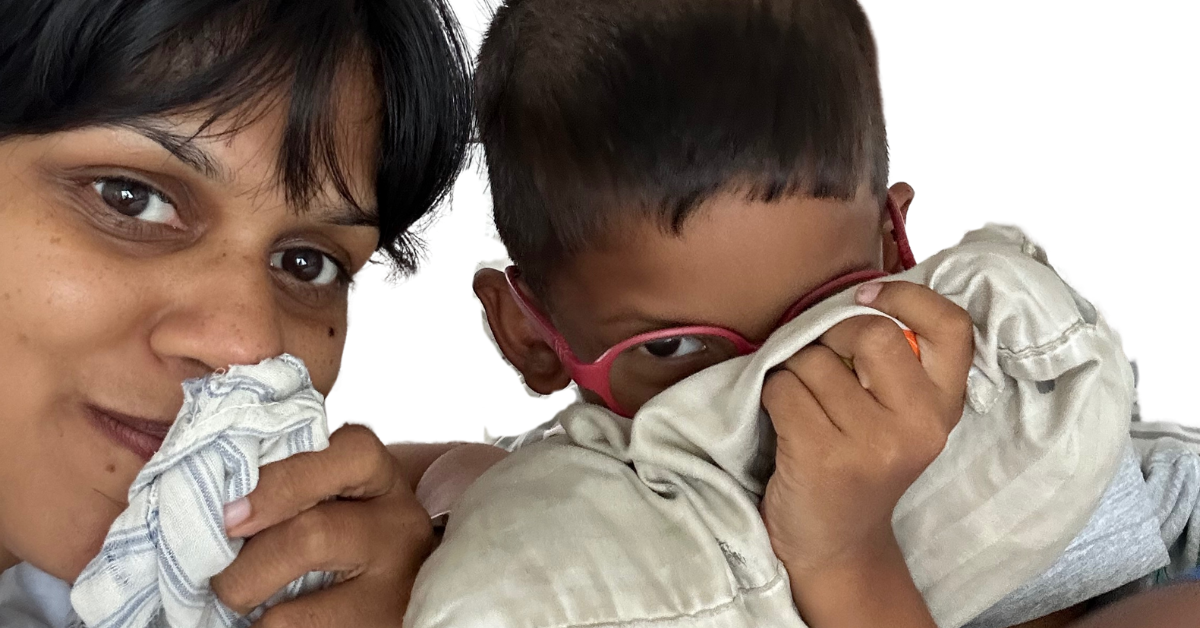
Fun fact! as a child I had a pillow that I would rub on my nose till I fell asleep, I didn’t let my mother wash the pillow or change its cover (though she did, and it would make me very unsettled). It was an object that I used to self-regulate and self-settle, it gave me comfort when I went to sleep. So as a sleep trainer I’m very pro-healthy age-appropriate sleep associations!
When Should You Introduce One?
You can start laying the foundation for healthy sleep associations as early as 6–8 weeks. At this stage, focus on gentle cues:
- Dim the lights before bedtime
- Use a calming voice and predictable routine
- Offer a consistent sleep space
Around 4–6 months, babies begin to develop stronger sleep patterns. This is a great time to introduce more structured associations, like a lovey. Just ensure any comfort object is safe—no loose blankets or pillows—and always follow safe sleep guidelines.
If your baby is older and already relies on a parent-led association (like feeding to sleep), don’t worry. You can gently shift toward healthier habits, if you need some guidance on that do contact Sleepyheads SL and we will be happy to assist. Contact Us – Sleepyheads
Healthy sleep associations aren’t about ‘training’ your baby to sleep alone—they’re about giving them tools to feel secure and soothed. Whether you’re a co-sleeping family or crib-only, the goal is the same: restful, safe, and emotionally supported sleep.